How to Start Trading as a Beginner and Succeed in 2026
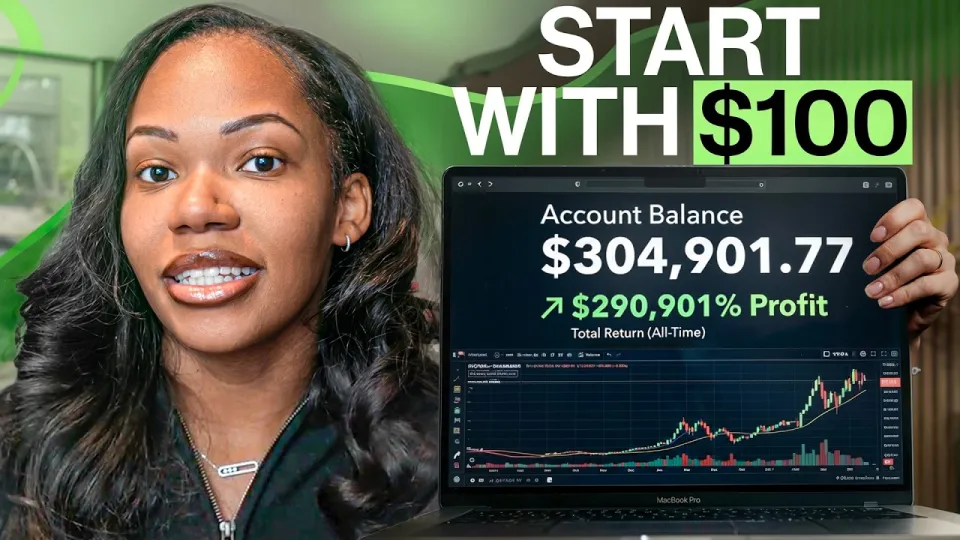
Video: How To Start Trading As A Beginner In 2026 (Step-by-Step)
Need articles like this for your video? They help promote it on YouTube and Google — order them in the Telegram bot @sat_sit_bot. The bot writes and publishes the articles itself (with your YouTube video embedded) on popular topical websites (no ads). Your first 50 articles are free.
Trading is the process of buying and selling financial instruments like stocks, options, and futures to profit from price movements. For beginners, starting trading in 2026 means focusing on foundational knowledge, disciplined practice, and realistic expectations. To begin, allocate $300 to $2,000 in capital, use paper trading tools to develop skills without risking money, and learn essential concepts such as options basics, market structure, and trading psychology. You can also join communities like Crystal Academy Discord for mentorship and support.
What Trading Really Means and What It Isn’t
Trading involves actively buying and selling assets to capitalize on short-term price changes. It is not a get-rich-quick scheme or gambling. Successful trading requires education, patience, and risk management. Unlike investing, which focuses on long-term growth, trading demands consistent attention to market movements and quick decision-making. Beginners often confuse trading with speculation; understanding this difference helps set realistic goals.
Understanding Calls, Puts, Options, and Futures
Options are contracts giving the right, but not the obligation, to buy (calls) or sell (puts) an asset at a set price before expiration. Calls profit from upward price moves; puts profit from downward moves. Futures are contracts obligating the purchase or sale of an asset at a future date. Options allow more flexible strategies and limited risk, while futures require higher capital and have potentially unlimited risk. Choose options if you prefer defined risk and shorter timeframes; choose futures if you want exposure to commodities or indices with leverage.
Essential Platforms and Tools for Beginners
Reliable brokers and charting software are critical. Webull is a recommended broker offering commission-free trading and beginner-friendly features. TradingView provides advanced charting with candlestick patterns and market indicators. Beginners should start with paper trading on these platforms to simulate real trades without financial risk. This practice helps you learn how to read charts, execute trades, and manage risk before risking real money.
Three Key Concepts Every Trader Must Master
- Market Structure: Understanding support, resistance, and trend direction is fundamental to identifying profitable trades.
- Candlestick Reading: Candlestick patterns reveal market sentiment and potential reversals or continuations.
- Trading Psychology: Controlling emotions, managing fear and greed, and maintaining discipline prevent costly mistakes. Many beginners quit within two months due to emotional burnout and unrealistic expectations; mastering psychology is crucial to avoid this.
Common Challenges and How to Overcome Them
Many beginners struggle with consistent losses, confusing chart signals, and impatience. To overcome these:
- Start with small capital and paper trade extensively.
- Avoid reacting to every minor market move; focus on higher timeframes.
- Develop a trading plan with clear entry, exit, and risk limits.
- Seek mentorship or join supportive communities like Crystal Academy.
- Be patient; profitability often comes after months or years of practice.
Useful Links
- Join Crystal Academy Discord for mentorship and community support: https://whop.com/c/crystal-academy/youtube
- Webull broker for trading with free stock offers: https://www.webull.com/k/SierraUSA
- Follow Sierra Aaliyah’s Instagram: https://www.instagram.com/sierra.aaliyah/
- Follow Sierra Aaliyah on TikTok: https://www.tiktok.com/@sierraxliyah
Conclusion
Starting trading as a beginner in 2026 requires a clear understanding of what trading entails, learning the difference between key financial instruments like options and futures, and practicing extensively through paper trading. Using reliable platforms like Webull and TradingView, mastering fundamental concepts such as market structure and trading psychology, and joining communities for guidance can accelerate your progress. Remember, trading is a skill developed over time, not an instant wealth solution. This guide is based on insights from Sierra Aaliyah’s channel, a trusted source for beginner traders. For more support and detailed mentorship, consider joining the Crystal Academy Discord.
Key takeaways
- Start trading with $300–$2,000; no need for large capital
- Understand calls vs puts and options vs futures before trading
- Use paper trading to practice without risking real money
- Master three key concepts: market structure, candlesticks, and psychology
- Choose reliable platforms like Webull and TradingView for trading
Questions & answers
How much money do I need to start trading as a beginner?
You can start trading with as little as $300 to $2,000. It’s important to begin with an amount you can afford to lose while you learn and use paper trading to practice without risking real money.
What is the difference between calls and puts in options trading?
Calls give you the right to buy an asset at a set price and profit if the price rises, while puts give you the right to sell an asset at a set price and profit if the price falls. Understanding these basics is essential before trading options.
Why do most beginners quit trading within the first two months?
Many beginners quit because of emotional stress, unrealistic expectations, and consistent losses. Poor risk management and lack of a trading plan often lead to frustration. Mastering trading psychology and starting with paper trading can help avoid early burnout.
Is consistent profitability achievable for most beginner traders?
Yes, consistent profitability is achievable but requires patience, disciplined practice, and continuous learning. It typically takes months or years to develop the skills needed, and many successful traders emphasize the importance of risk management and emotional control.
Source: How To Start Trading As A Beginner In 2026 (Step-by-Step) · Markdown version